

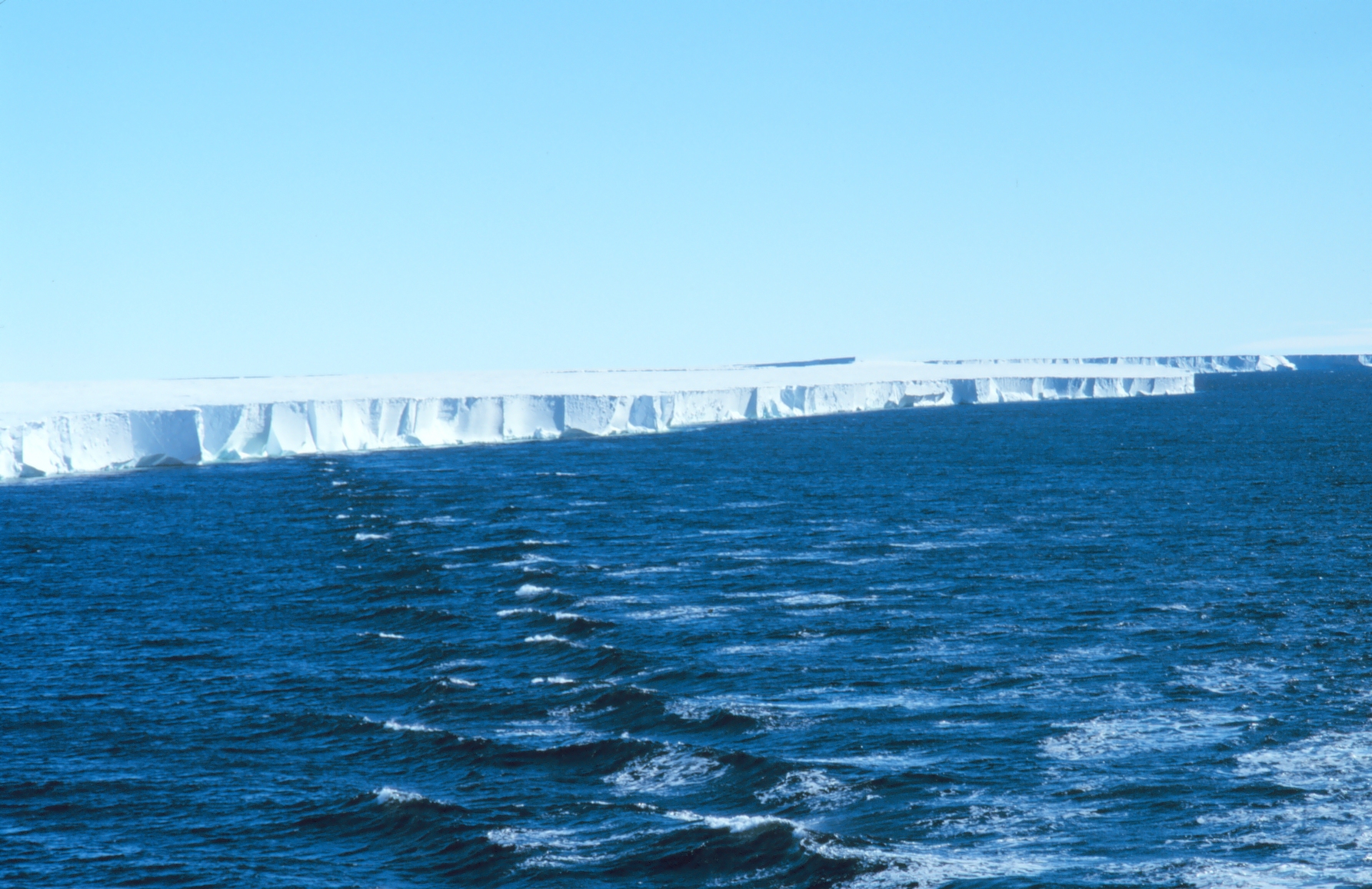
Antarctic Ice Shelves Send Another Warning Signal
Antarctica holds enough ice to raise global sea levels by tens of metres, which is why scientists watch its edges with an attention usually reserved for fault lines. The continent’s floating ice shelves, the aprons where glaciers meet the sea, act as doorstops holding back the ice behind them. When shelves thin or break up, the glaciers they restrain flow faster towards the ocean. Satellite records assembled over three decades now show that process under way across much of the continent’s coastline.
The latest monitoring, combining radar altimetry, gravity measurements and iceberg tracking, finds the pattern uneven but consistent: shelves fed by warm ocean water from below are thinning fastest, particularly in West Antarctica, while some shelves in the colder east remain comparatively stable. Our Blog and the front page at foxnewspaper.com report these findings as they are published, because few scientific stories carry longer consequences.
Warm water, working from below
The main agent of change is not the air but the sea. Relatively warm deep water, pushed onto the continental shelf by shifting winds, reaches the undersides of ice shelves and melts them from beneath, in places by metres per year. This basal melt rarely produces dramatic pictures; the shelf simply grows thinner and weaker until fractures that would once have healed begin to propagate. The collapses that do make headlines, when a shelf disintegrates over a few weeks, are generally the final act of a long thinning the satellites recorded quietly for years.
Agencies including NASA operate much of the observing system, and their researchers stress the difference between an ice shelf’s own melting, which does not raise sea level since the ice already floats, and the acceleration it unleashes in the grounded ice behind it, which does. That distinction is where the sea-level stakes live, and current estimates of Antarctica’s contribution this century range widely, from centimetres to figures that would redraw coastlines, depending largely on how the West Antarctic shelves behave.
What the models still argue about
Predicting ice sheets is humbling work. The processes that matter happen at grounding lines kilometres under ice, in ocean cavities no instrument has visited, over timescales that mix next decade with next millennium. Models disagree about cliff-collapse mechanisms and about how fast marine ice can retreat into the deep basins of West Antarctica. Recent research has trimmed some of the most extreme near-term estimates while confirming the underlying vulnerability, a combination that headlines flatten but planners should not.
Field science fills the gaps satellites cannot. Teams drill through shelves to instrument the cavity beneath, deploy autonomous vehicles under the ice, and recover sediment cores that record how the ice sheet behaved in past warm periods, the closest thing to a rehearsal the planet offers. Those palaeo records consistently show Antarctic ice retreating when oceans warmed, which is less a prediction than a reminder that the system has done this before, at rates the modern world would find difficult.
Reading the signal clearly
The observing effort itself is entering a new phase. Dedicated satellite missions planned for the coming years will measure ice thickness and ocean heat with finer resolution, while long-term monitoring programmes are being designed explicitly to detect acceleration early rather than confirm it late. Scientists argue this distinction matters for adaptation: a coastline city can plan around a forecast with a decade of warning far more cheaply than around a surprise. The instruments being launched now are, in effect, buying that warning time for the world’s coasts.
The warning from Antarctica is not that catastrophe arrives on a schedule anyone can circle. It is that the continent’s stabilising structures are measurably weakening under a known force, that the consequences compound for centuries once set in motion, and that the window in which the outcome remains a choice is the present one. Ice shelves do not negotiate and do not hurry. They simply keep the record, in thinning ice and quickening glaciers, of decisions made far away.
