

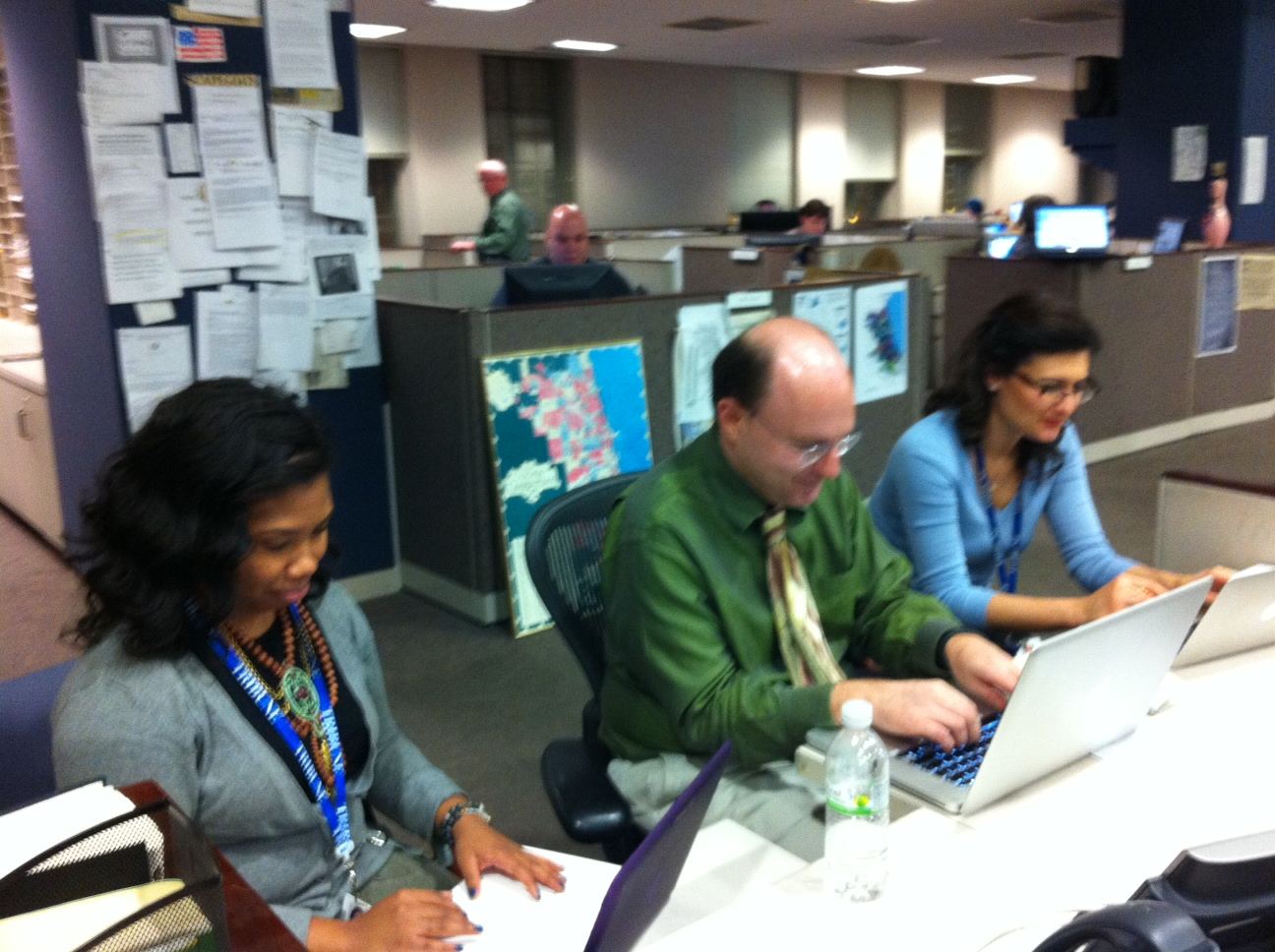
A photograph arrives in the newsroom claiming to show this morning’s flood. It is dramatic, shareable — and three years old, from another continent. Stopping that image from being published is the daily work of the modern fact-checking desk, a specialist team that has moved from the margins of journalism to its centre as misinformation has become faster, cheaper and more visual.
Dedicated verification units now exist at wire services, broadcasters and newspapers of all sizes. Many are connected through the International Fact-Checking Network hosted by Poynter, whose code of principles — non-partisanship, transparency of sources and methods, and clear corrections — has become the professional standard for the craft.
Verification Is a Technical Discipline Now
The classic fact-check tested a politician’s statistic against official data. Today’s desk spends as much time on media forensics: reverse image searches to find a picture’s first appearance, geolocation from shadows, shop signs and satellite imagery, and metadata checks on video. Open-source investigation techniques, once associated with specialist outlets, are now routine newsroom skills, and desks maintain libraries of previously debunked images because viral falsehoods reliably resurface with each new crisis. Training has had to keep pace, and many outlets now run regular verification drills in which junior reporters practise geolocation and image analysis on old viral posts before being trusted with breaking news during a major event.
Our media section regularly explains these methods so readers can apply the same checks to the claims in their own feeds.
Checking Claims Before and After Publication
Fact-checking desks work in two directions. Before publication, they are an internal service, stress-testing a reporter’s story — the number sourced to a single report, the quote that seems too perfect. After publication, many run public-facing units that rate claims by public figures and publish the evidence, a genre that has become a significant audience draw in election years. Research summarised by the Reuters Institute suggests such checks rarely change committed minds outright, but they do arm the undecided and raise the cost of repeating a falsehood.
The Limits of the Desk
Fact-checkers are candid about scale: a small desk cannot chase every false claim, and corrections travel more slowly than the original viral post. Selection itself is an editorial judgement that critics watch closely, which is why transparency about why a claim was chosen matters as much as the verdict. Artificial intelligence is a double pressure — generating convincing fakes at volume while also helping desks detect them.
The desks endure because trust is the product. In a feed where anyone can publish anything, the newsroom that can show its verification work earns the one asset competitors cannot copy overnight. We examine how that trust is built and lost in our journalism coverage.
