

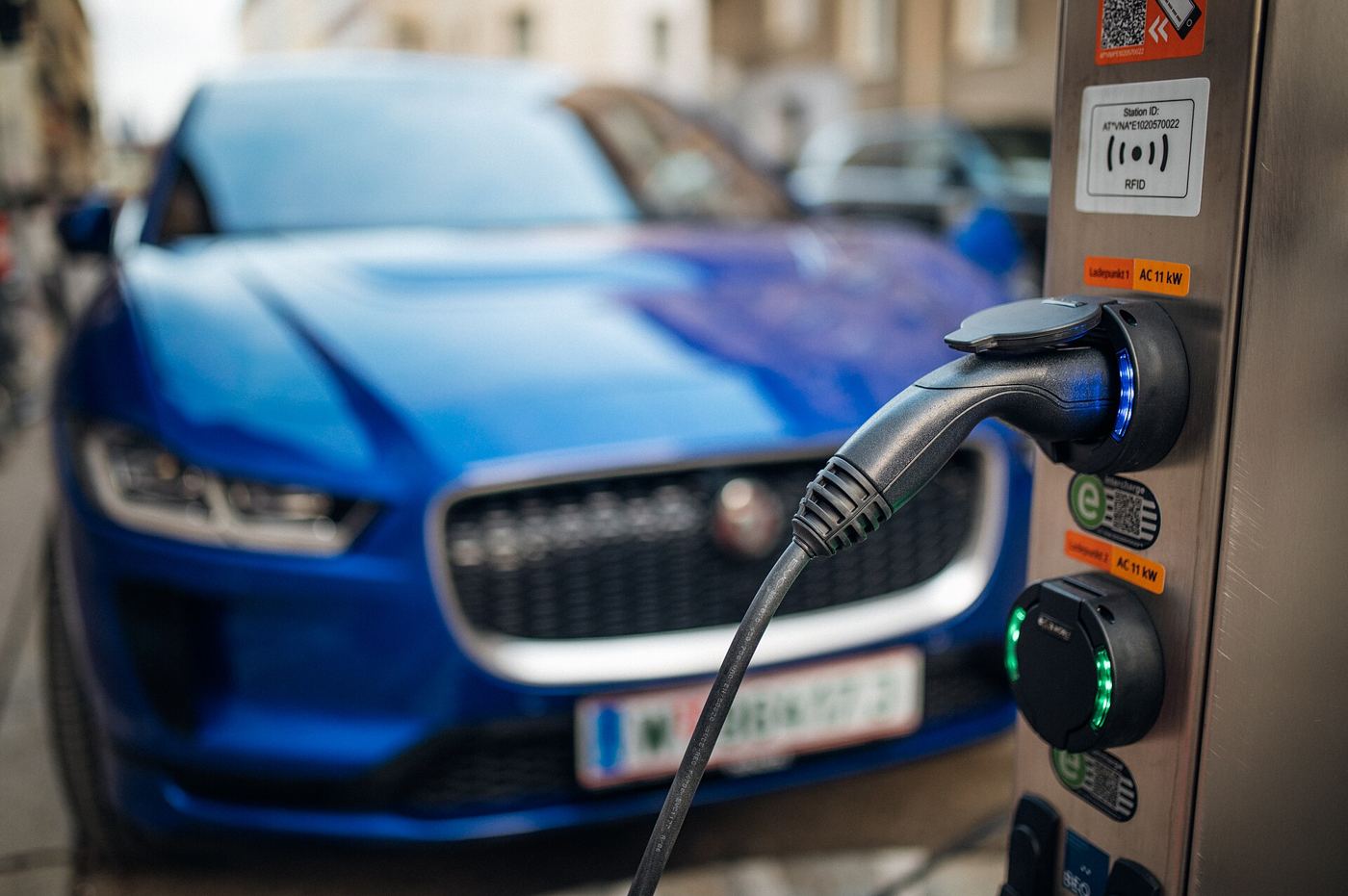
The battery inside most electric cars today uses a liquid electrolyte, a design that works well but carries limits on energy density and charging speed. Solid-state batteries replace that liquid with a ceramic or polymer layer, and carmakers say the change could add a third more range while making packs smaller, lighter and harder to ignite. After years of delays, pilot production lines are finally running. For ordinary users, the practical advice is to judge the technology on the tasks they actually do. Sceptics caution that pilot projects often succeed precisely because they are small and watched.
Why the technology matters
Higher energy density means either longer journeys on one charge or a smaller, cheaper battery for the same range. Solid electrolytes also tolerate faster charging and higher temperatures, which matters for drivers who rely on public chargers. Carmakers including Toyota, Hyundai and several Chinese manufacturers have published roadmaps that put limited solid-state models on sale before the end of the decade, starting with premium cars. Skills are shifting too, and training providers report surging demand for related courses. Reporting and analysis from sources such as International Energy Agency track the same trend. What happens in the next budget cycle will say more than any keynote presentation.
The manufacturing hurdle
Making the cells is the hard part. The ceramic layers are brittle, the interfaces between materials degrade as the battery breathes during charging, and yields on pilot lines remain low. Battery scientists say each chemistry solves one problem while creating another, which is why timelines have slipped repeatedly. Costs today are several times higher than conventional lithium-ion cells, and closing that gap needs new factory equipment at enormous scale. What happens in the next budget cycle will say more than any keynote presentation. Supply chains remain the quiet constraint behind many launch dates announced with confidence. You can follow related developments in our technology coverage.
What drivers should expect
Analysts advise buyers not to wait for a miracle battery. Conventional cells keep improving, prices keep falling, and the car available today is already cheaper to run than a petrol equivalent for most households. Solid-state packs will likely arrive first as a premium option, then filter down. The real milestone to watch is not a press release but a factory shipping cells by the million with warranty terms a mainstream brand is willing to sign. Supply chains remain the quiet constraint behind many launch dates announced with confidence. This is a developing area rather than a settled one, and the most reliable sources are those willing to say what is known, what is guessed, and what remains unknown.
There is a practical lesson in all of this for readers deciding what to do today. Start with the verified facts, be wary of anyone promising certainty, and prefer reversible steps while the evidence is still developing. Circumstances differ by country, income and personal situation, so general guidance should always be weighed against your own context before you act on it in any significant or lasting way.
