

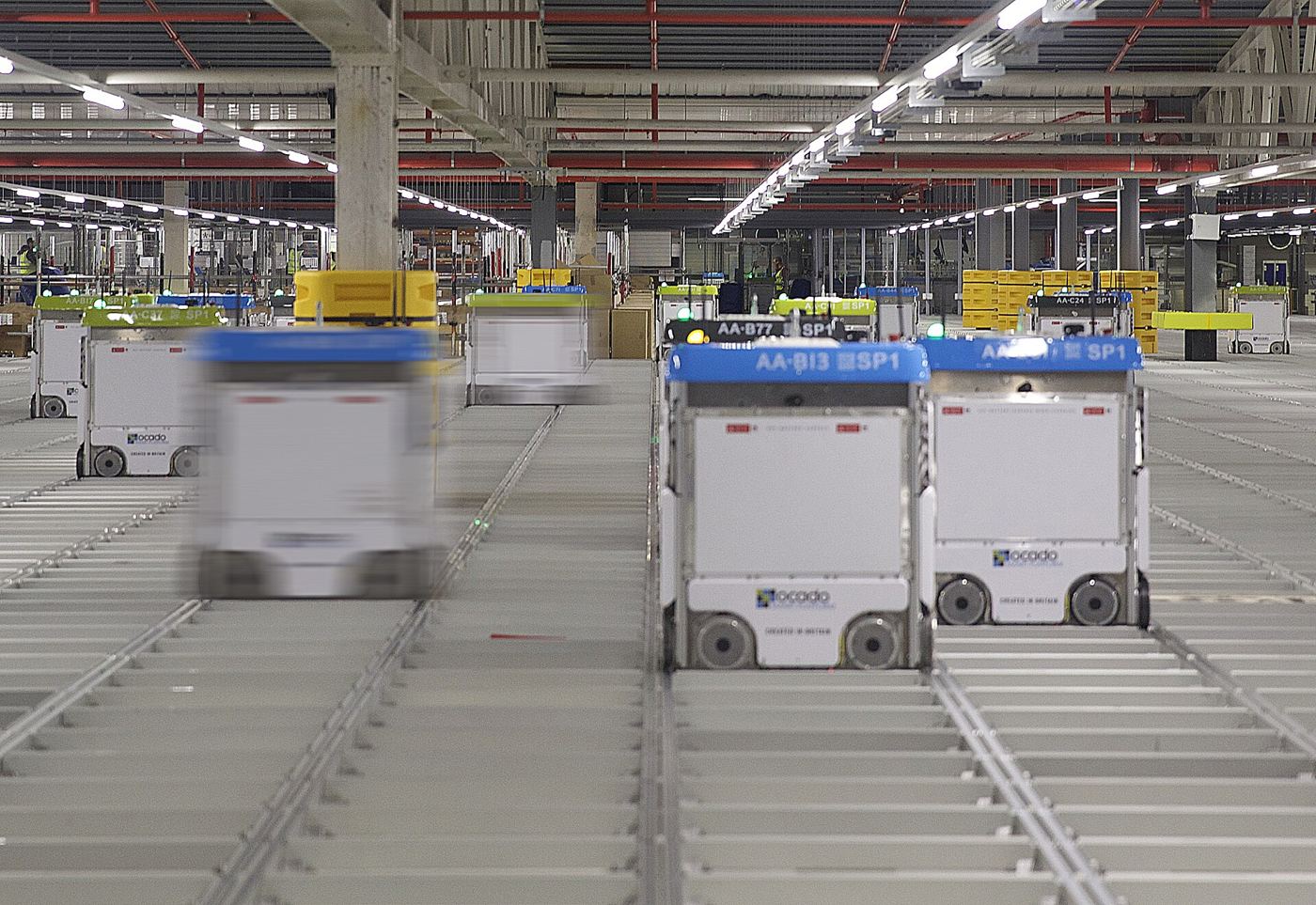
Inside large fulfilment warehouses, fleets of low robots that glide under shelving units are changing how goods are picked and packed. Instead of staff walking kilometres between aisles, the shelves come to stationary workers who select items for orders. Operators say the systems reduce errors and make better use of floor space, particularly in buildings that cannot expand. The newest models pause safely around people, reroute around blockages and recharge in short bursts between tasks. Managers insist the goal is throughput and consistency, but unions continue to press for clear commitments on job quality, training and how productivity gains are shared.
What the Evidence Shows
Introducing the robots requires more than buying hardware, because inventory layout, software and maintenance routines all have to change together. Warehouses usually start with one zone, train technicians to service the fleet, and expand only after reliability is proven. Breakdowns can cascade quickly when hundreds of orders depend on the same automated flow, so manual fallback procedures remain essential. Workers in pilot sites report less walking but more repetitive standing work, prompting ergonomic reviews. Industry analysts expect adoption to keep rising in large facilities, while smaller warehouses weigh the high upfront cost against slower, simpler automation options. Reporting and analysis from sources such as IEEE Spectrum track the same developments, and specialists following warehouse robots moving shelves say the direction is now consistent across independent lines of evidence.
The Wider Context
Adoption of warehouse robots moving shelves follows a familiar pattern with an unfamiliar speed. Early users tolerate rough edges in exchange for advantage, mainstream users arrive when the tool disappears into existing workflows, and the market consolidates around whoever made that transition feel effortless. Vendors are racing less on raw performance now than on integration, support and trust.
What Happens Next
The realistic forecast for warehouse robots moving shelves is steady integration rather than sudden replacement: embedded in products people already use, improving in increments, and regulated in proportion to its reach. The companies and institutions that plan on that basis, training staff and redesigning processes instead of chasing launches, are the ones the adoption data tends to vindicate. You can follow related developments in our coverage of technology.
It is also worth remembering how quickly the picture in this area has changed before. Positions that looked settled a few years ago have been revised as new data arrived, and the same humility is appropriate now. The strongest coverage of this subject, and the most useful advice, tends to come from sources that update their views openly when the facts move, rather than defending an earlier position long after it has stopped fitting the evidence available.
None of this will be settled by a single announcement, study or product launch. The pattern to watch is accumulation: independent confirmations, honest reporting of failures and steady improvement in the underlying numbers. Readers who follow those signals, rather than the loudest claim of the week, will understand this subject better than most of the commentary surrounding it suggests is possible.
