

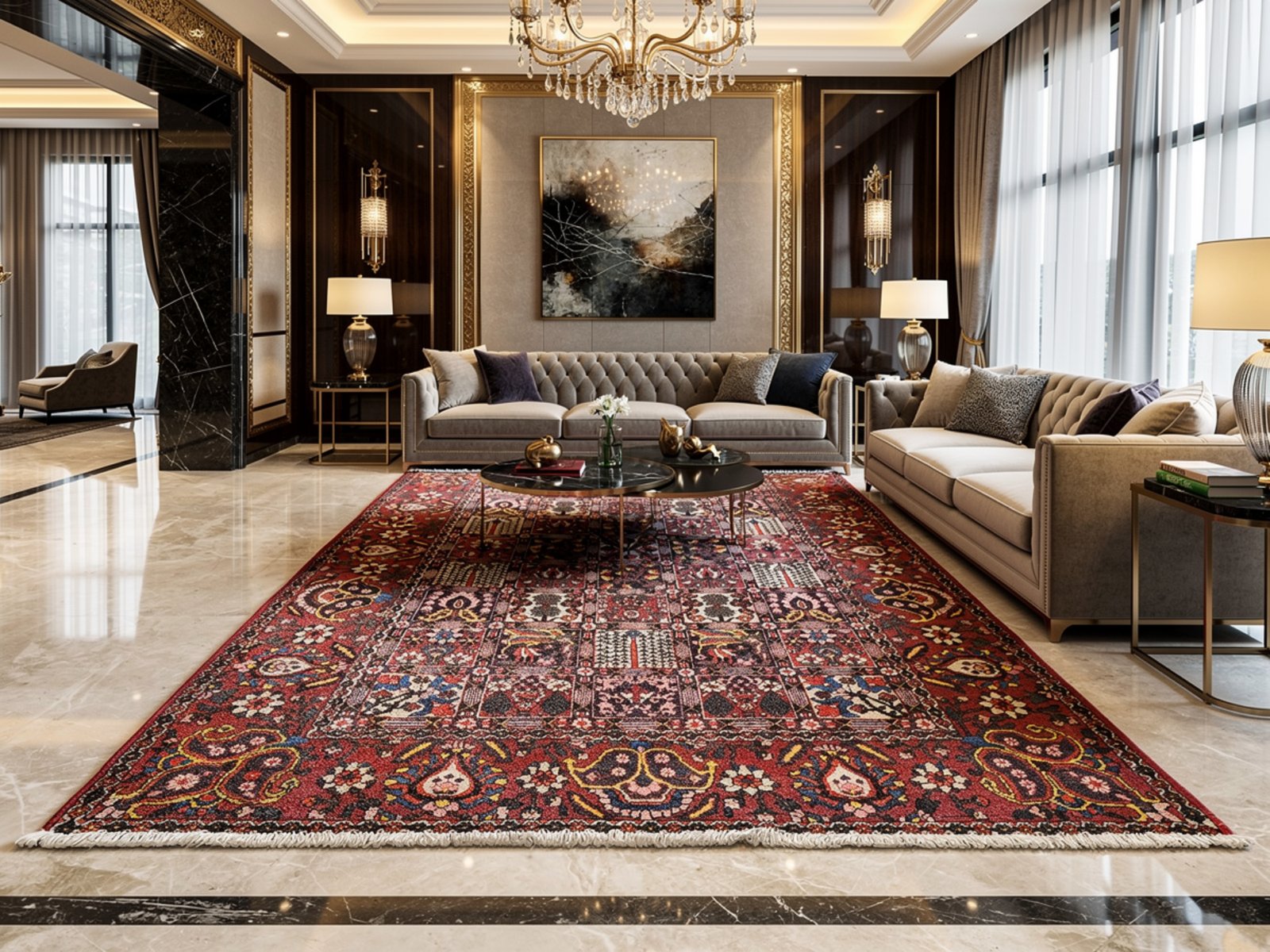
Choosing a new carpet is one of the fastest ways to change how a home feels, yet many buyers rush the decision and end up with a floor covering that wears out early or never quite suits the room. A well-chosen Dubai carpet adds warmth, softens noise, and ties furniture and colours together, so it pays to think about material, pile, and room use before you order. This guide walks through the main choices step by step, from fibres and construction to measuring, budgeting, and installation, so you can buy with confidence and enjoy the result for years.
Dubai homes have their own demands. Air conditioning runs for much of the year, fine desert dust finds its way indoors, and strong sunlight can fade delicate colours near windows. A carpet that performs well here needs a stable backing, a pile that releases dust easily during vacuuming, and dyes that resist fading. Keep those three points in mind as you compare options, and many unsuitable products will filter themselves out before price even enters the discussion.
Start With the Fibre
Wool is the classic choice for a reason: it is naturally resilient, feels luxurious underfoot, and hides soil well between cleans. It costs more than synthetics, but in a main living room it often outlasts cheaper alternatives by years. Nylon is the toughest synthetic and a strong pick for hallways and family rooms where shoes, pets, and children test the floor daily. Polyester offers rich colour and a soft hand at a lower price, though it can flatten in heavy traffic. Polypropylene is budget friendly and stain resistant, which makes it popular for rental properties and playrooms.
Blends try to give you the best of both worlds. An eighty twenty wool nylon mix, for example, keeps much of wool's feel while adding nylon's durability and lowering the price. When you read a product description, look for the exact blend percentages rather than vague claims, and ask how the fibre behaves with the cleaning products you already own. A short sample at home, tested with your vacuum and in your light, tells you more than any showroom visit.
Pile Types and Where They Work Best
Cut pile carpets, including plush and Saxony styles, give a smooth, formal finish that suits bedrooms and quiet sitting rooms. Twist pile is more forgiving: the yarn is tightly twisted, so footprints and vacuum marks show far less, which is why it is a favourite for stairs and busy lounges. Loop pile, such as Berber, is hard wearing and hides dirt in its textured surface, but loops can snag on pet claws and high heels. Patterned and level cut and loop designs add visual interest and are excellent at disguising everyday wear in hallways.
Pile height matters as much as pile type. A deep, soft pile feels wonderful in a bedroom but makes moving furniture harder and can slow down robot vacuums. A shorter, denser pile is easier to maintain and usually looks smarter in a home office or dining room where chair legs move constantly. Whatever you choose, check the density: bend the sample backwards and see how much backing shows. The less backing you can see, the better the carpet will resist crushing.
Measuring and Budgeting Without Surprises
Measure each room at its widest and longest points, then add a small allowance for trimming and doorways. Sketch the rooms and note where joins will fall, because a badly placed seam in the middle of a doorway will annoy you every day. Most suppliers quote by the square metre and include underlay and fitting in some packages but not others, so ask for an itemised quote. Good underlay is not an upsell to skip: it improves comfort, insulation, and the life of the carpet above it. When comparing a Dubai carpet quote with another supplier, make sure both include the same underlay quality, grippers, and door bars, otherwise the cheaper figure may simply be missing parts.
Set your budget by room priority rather than spreading money evenly. Spend the most where you walk the most, usually the hallway, stairs, and living room, and choose a more economical carpet for spare bedrooms that see little traffic. Remember to keep an offcut from installation. A stored remnant lets you patch a stain or burn years later without replacing the whole room, and it costs nothing beyond a little cupboard space.
Colour, Light, and Long Term Care
Always judge colour in your own home, in daylight and under your evening lighting. A grey that looks cool and crisp in a bright showroom can turn blue or purple at home. Mid tone, flecked designs are the most forgiving for family life because the mix of shades hides crumbs and dust between vacuums. In sun facing rooms, ask about fade resistance and consider rotating furniture occasionally so the carpet ages evenly.
Finally, plan the care before the carpet arrives. A powerful vacuum used twice a week, prompt blotting of spills, and a professional deep clean every twelve to eighteen months will keep most carpets looking close to new. Put mats at entrances to trap grit, which is the main cause of premature wear in this climate. With the right fibre, the right pile, and simple habits like these, your new carpet becomes a long term part of the home rather than a short term fix.
