

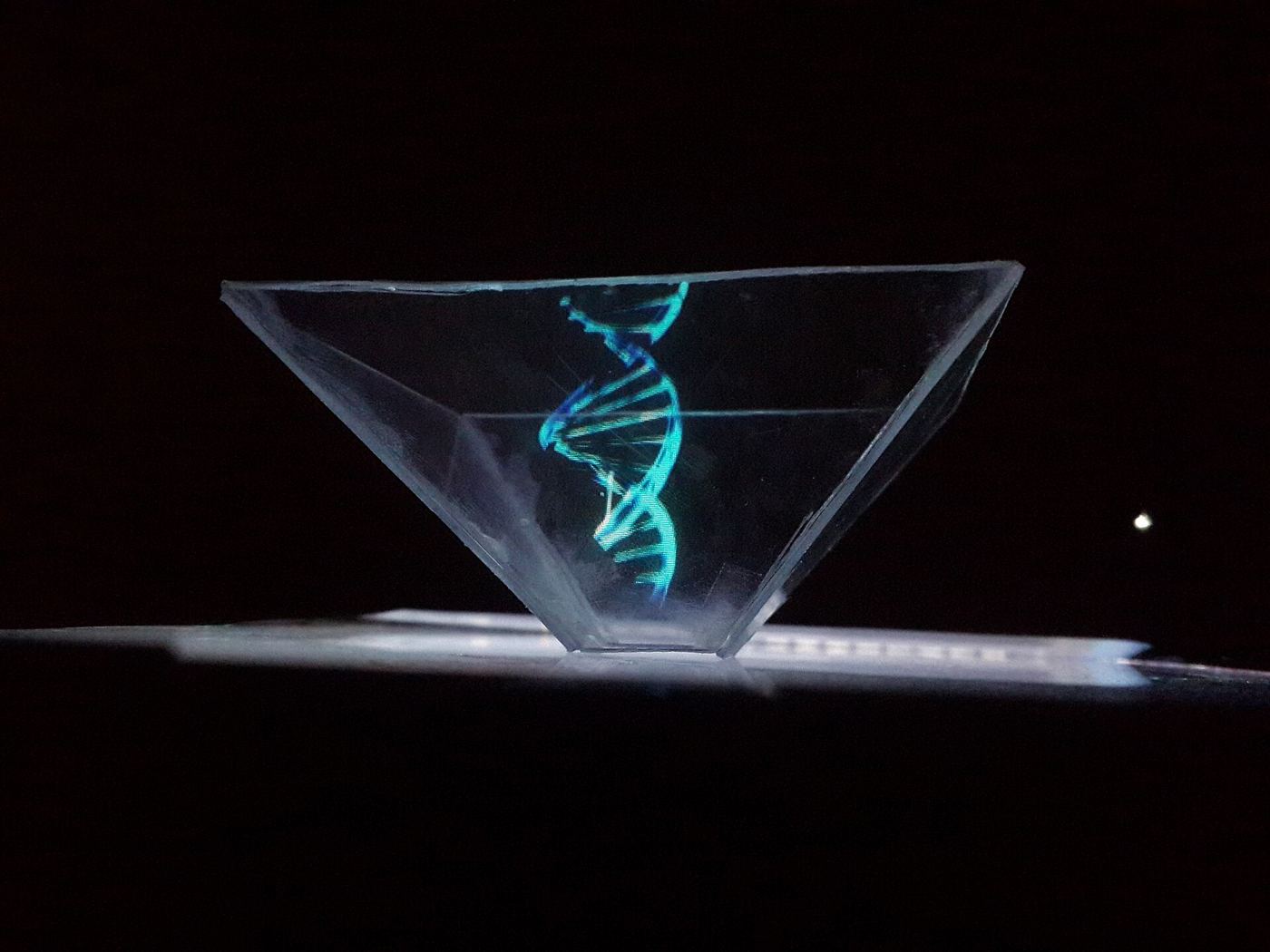
Scientists have revived a decades-old idea for switching off cancer-linked genes, using synthetic DNA molecules that bind directly to the DNA inside cells. Researchers reported on 3 November 2026 in the journal Nucleic Acids Research that they had designed triplex-forming oligonucleotides, short synthetic DNA strands that latch onto specific stretches of the genome. The team, led by researchers including Dr David Rusling, used a commercially available synthetic DNA base known as Z to make the molecules bind more strongly to regions that are normally hard to target. They tested the approach on MYC, a gene that drives the growth of many cancers when it becomes overactive, and reduced its activity by 50 to 80 percent in laboratory experiments.
What the Evidence Shows
The approach matters because MYC is one of the most important cancer genes, yet it has long been considered undruggable by conventional medicines. Directly targeting the gene’s DNA could offer a new route to treatments, as well as a tool for research and diagnostics. The triplex idea dates back decades, but early versions bound too weakly to be useful, and the new base Z appears to solve that problem. The work is still at the laboratory stage, and the molecules must be delivered safely into cells before they can help patients. Even so, the study shows that an old idea, updated with modern chemistry, can open fresh possibilities in genetic medicine. Reporting and analysis from sources such as NASA track the same developments, and specialists following the triplex DNA approach against MYC say the direction is now consistent across independent lines of evidence.
The Wider Context
Funding bodies are watching the triplex DNA approach against MYC closely because the work sits at the junction of basic curiosity and practical return. Grant panels increasingly ask for a path from discovery to application, while researchers push back that the most valuable uses of fundamental science are rarely the ones written into the original proposal. The tension is productive when both sides stay honest about timescales.
What Happens Next
The long view on the triplex DNA approach against MYC is that fields advance by accumulation rather than by single announcements. This result adds a solid, checkable piece to a structure many teams are building, and its authors have shared their data so the piece can be tested from every side. That is how the picture eventually becomes reliable enough to act on. You can follow related developments in our coverage of science.
It is also worth remembering how quickly the picture in this area has changed before. Positions that looked settled a few years ago have been revised as new data arrived, and the same humility is appropriate now. The strongest coverage of this subject, and the most useful advice, tends to come from sources that update their views openly when the facts move, rather than defending an earlier position long after it has stopped fitting the evidence available.
