

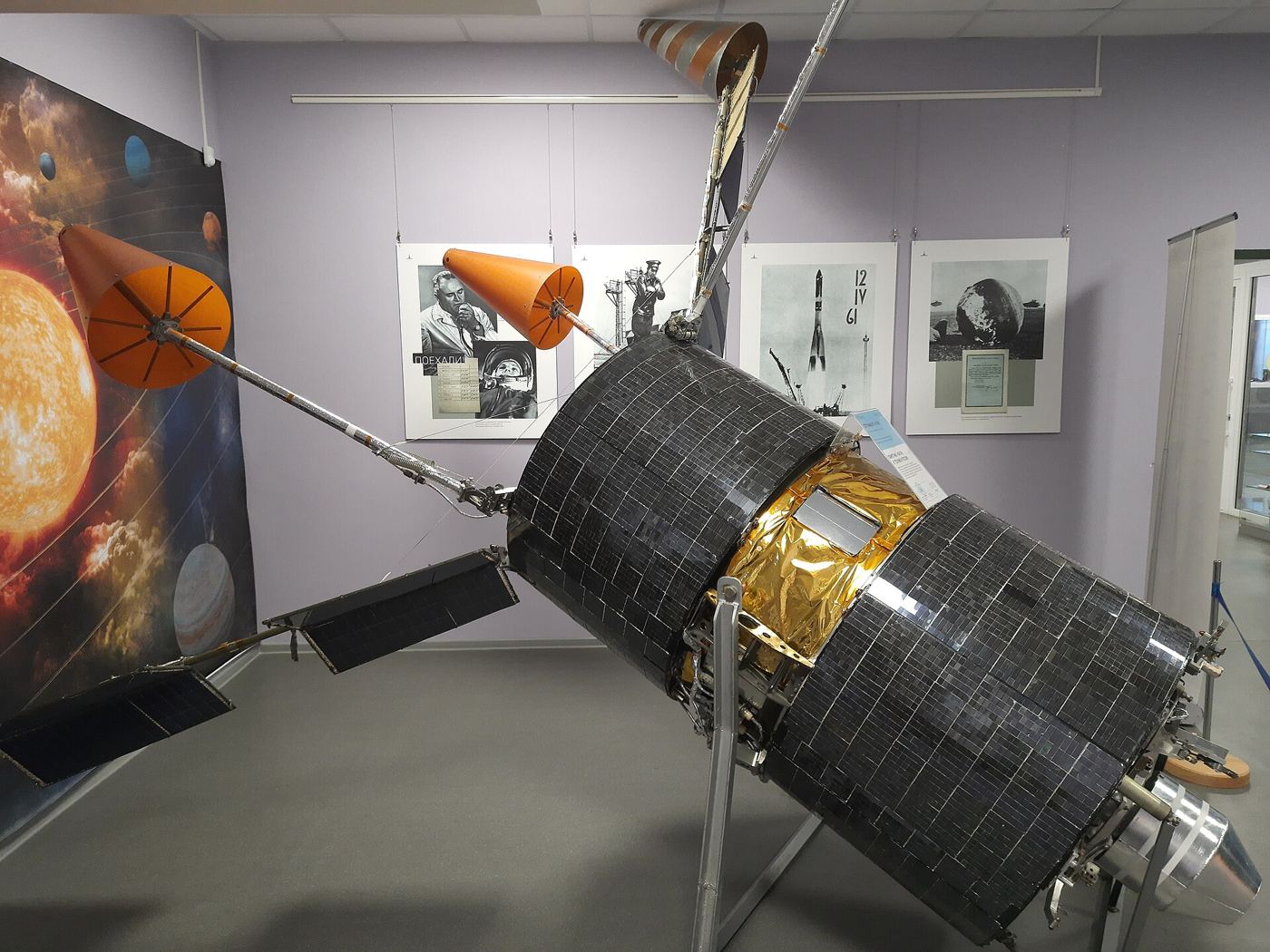
A growing fleet of Earth observation satellites can now detect methane leaking from individual oil and gas facilities, landfills and coal mines, turning an invisible greenhouse gas into mapped plumes that regulators and operators can act on. Methane matters disproportionately for near-term warming because it traps heat far more powerfully than carbon dioxide over its first decades in the atmosphere, yet it also breaks down relatively quickly, so cutting emissions delivers fast benefits. The newest instruments combine wide-area scanners that flag large releases with high-resolution sensors that zoom in to identify the exact equipment involved. Public data portals then publish many detections openly, which has changed the conversation between companies, investors and regulators. Operators who once relied on infrequent ground inspections can receive alerts within days of a major leak starting. Scientists validate the satellite estimates against aircraft surveys and ground measurements, and while uncertainties remain for smaller sources, agreement for large plumes has improved markedly over the past several observing seasons.
What the Evidence Shows
The harder challenge is ensuring that detections lead to repairs rather than simply accumulating in databases. Studies of satellite records show that a relatively small number of very large leaks accounts for a substantial share of total methane emissions in many producing regions, which means fixing the worst sources offers outsized returns. Some operators now integrate satellite alerts into maintenance systems, dispatching crews with handheld sensors to confirm and repair faults. Others dispute measurements or delay responses, prompting regulators in several jurisdictions to write satellite evidence into monitoring rules. Researchers are also extending the methods to agriculture and waste sites, where emissions are more diffuse and harder to attribute. As revisit times shorten from weeks to days, the technology is shifting methane management from periodic estimation toward continuous accountability. That transparency may prove as significant as the sensors themselves, because emissions that everyone can see are far harder for any operator, government or industry group to leave unaddressed. Reporting and analysis from sources such as NASA track the same developments, and specialists following satellite detection of methane leaks from space say the direction is now consistent across independent lines of evidence.
The Wider Context
Funding bodies are watching satellite detection of methane leaks from space closely because the work sits at the junction of basic curiosity and practical return. Grant panels increasingly ask for a path from discovery to application, while researchers push back that the most valuable uses of fundamental science are rarely the ones written into the original proposal. The tension is productive when both sides stay honest about timescales.
What Happens Next
The long view on satellite detection of methane leaks from space is that fields advance by accumulation rather than by single announcements. This result adds a solid, checkable piece to a structure many teams are building, and its authors have shared their data so the piece can be tested from every side. That is how the picture eventually becomes reliable enough to act on. You can follow related developments in our coverage of science.
It is also worth remembering how quickly the picture in this area has changed before. Positions that looked settled a few years ago have been revised as new data arrived, and the same humility is appropriate now. The strongest coverage of this subject, and the most useful advice, tends to come from sources that update their views openly when the facts move, rather than defending an earlier position long after it has stopped fitting the evidence available.
