

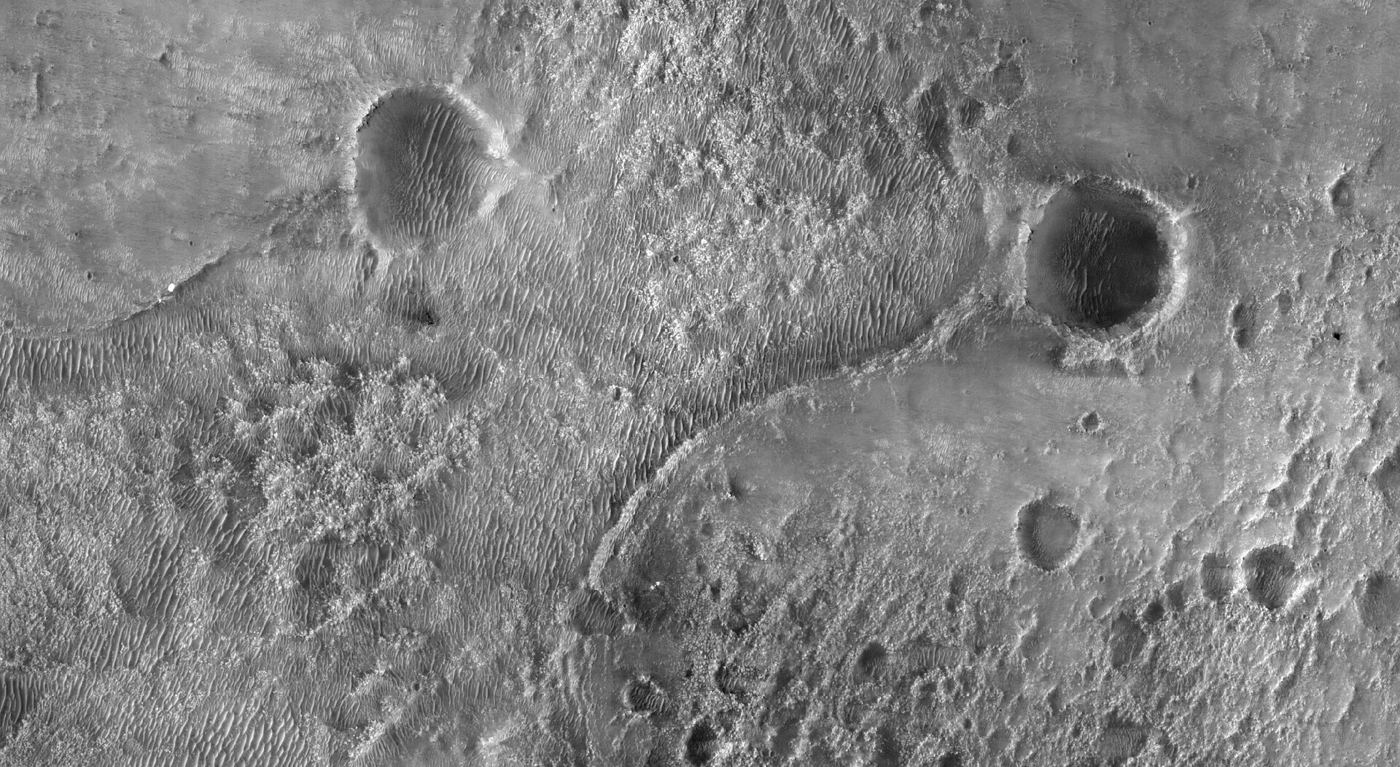
Anyone who has walked across a carpet and felt a spark jump to a door handle knows that friction can build up static electricity, and it appears that Mars runs a far larger version of the same trick. Instruments carried by rovers and analysed by planetary scientists indicate that when Martian dust is whipped up by wind, the colliding grains exchange electrical charge, leaving the thin air around a dust storm measurably electrified. Laboratory experiments on Earth, using Mars-like dust shaken and blown inside low-pressure chambers that mimic Martian conditions, support the measurements: larger grains tend to collect one kind of charge while finer particles collect the opposite, and the separation creates electric fields. On Earth, moisture in the air quickly bleeds such charge away, but Mars is bone dry and its atmosphere is extremely thin, so fields can grow much stronger before they discharge. Researchers suspect the electricity may influence Martian chemistry, helping to break apart molecules near the surface, and it could also affect the behaviour of dust itself, making grains clump or lift more easily than wind speed alone would predict during the planets frequent regional storms.
What the Evidence Shows
The findings matter for exploration as well as pure science, because static discharge is unkind to electronics, seals and spacesuit materials. Engineers designing future landers and crewed habitats are reviewing the data to decide how much shielding and grounding their equipment will need in a place where a dust storm might arrive with an electrical sting. Charged dust also sticks more stubbornly to solar panels and camera lenses, a familiar problem for rover operators, and knowing why it clings could lead to coatings or cleaning methods that work better. Chemists, meanwhile, are interested in whether the electric fields help produce oxidising compounds in Martian soil, chemicals that can destroy organic molecules and complicate the search for signs of past life. If sparks in dust quietly erase evidence, sample sites might need to be chosen where dust activity is weakest, or samples dug from deeper, sheltered layers. Planned instruments on upcoming missions should measure electric fields directly during an actual storm for the first time, replacing todays estimates with hard numbers. Reporting and analysis from sources such as NASA track the same developments, and specialists following the electrically charged Mars dust say the direction is now consistent across independent lines of evidence.
The Wider Context
Funding bodies are watching the electrically charged Mars dust closely because the work sits at the junction of basic curiosity and practical return. Grant panels increasingly ask for a path from discovery to application, while researchers push back that the most valuable uses of fundamental science are rarely the ones written into the original proposal. The tension is productive when both sides stay honest about timescales.
What Happens Next
The long view on the electrically charged Mars dust is that fields advance by accumulation rather than by single announcements. This result adds a solid, checkable piece to a structure many teams are building, and its authors have shared their data so the piece can be tested from every side. That is how the picture eventually becomes reliable enough to act on. You can follow related developments in our coverage of science.
It is also worth remembering how quickly the picture in this area has changed before. Positions that looked settled a few years ago have been revised as new data arrived, and the same humility is appropriate now. The strongest coverage of this subject, and the most useful advice, tends to come from sources that update their views openly when the facts move, rather than defending an earlier position long after it has stopped fitting the evidence available.
